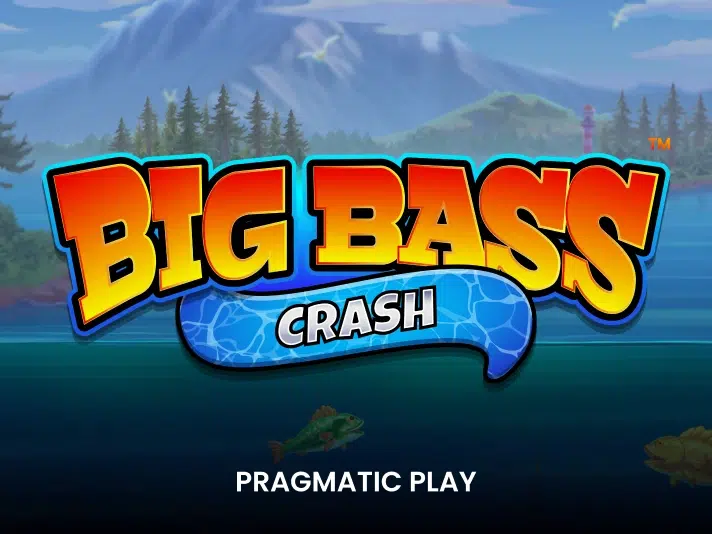
As we explore the world of online casino adventure, we find that few experiences rival the heart-pounding, wild rush of a crash game. Here in Canada, where our gaming preferences mix a love for skill and a fondness for chance, bigbasscrashgame has emerged as a notable title. It’s more than just a game; it’s a fascinating intersection of strategy, timing, and pure, unalloyed luck. We’re here to investigate the very nature of that luck—those random acts of fortune that can convert a casual play into a massive win. This isn’t about cold, hard algorithms; it’s about the electrifying moment when the multiplier climbs, your heart races, and you determine whether to cash out or ride the wave. We’ll uncover the layers of this popular game, analyzing how its mechanics work, why it strikes a chord so deeply with Canadian players, and how you can traverse its erratic waters. Think of this as your guide to comprehending the beautiful chaos behind every round, where every launch is a leap of faith into a lake of potential rewards.
Grasping the Crash Game Phenomenon

To truly appreciate the random acts of luck in Big Bass Crash, we first need to grasp the crash game genre itself. Coming from platforms outside traditional casinos, crash games have enthralled players worldwide with their simple yet profoundly suspenseful premise. The core mechanic is beautifully straightforward: you put a bet, watch a multiplier climb from 1x upwards, and must cash out before it randomly “crashes.” The genius lies in the tension between greed and caution. For Canadian players, this format offers a welcome alternative to slot reels or card tables, offering a communal, adrenaline-fueled experience often enhanced by live chat and shared anticipation. The “crash” point is determined by a provably fair random number generator (RNG), guaranteeing every game’s outcome is completely independent and unpredictable. This assures that no pattern can be reliably discerned, cementing luck as the ultimate decider. It’s this perfect storm of simplicity, transparency, and heart-pounding risk that has made crash games like Big Bass a fixture in the portfolios of top online casinos catering to our market.
Fortune Across the Canadian gaming Casino Landscape

When we examine Big Bass Crash within the broader Canadian gaming landscape, its appeal becomes even more apparent. Our market has a rich history of embracing games of chance, from nationwide lotteries to casino hubs. However, Canadian players are also known for being informed and appreciating transparency. The provably fair, simple nature of crash games fits this profile exactly. Unlike complex table games with myriad rules, the luck in Big Bass is direct and apparent. Furthermore, the game’s pace fits our lifestyle; rounds are fast, making it suitable for a play session during a commute or a break. The theme itself, as noted, connects with a common Canadian leisure activity. The random luck on offer is also adaptable—you can participate with it for small stakes for fun or for larger amounts if you’re pursuing a significant catch. This flexibility allows it to sit easily alongside other popular genres in our market, offering a distinct type of adrenaline rush that is both current and deeply rooted in the universal appeal of challenging one’s fortune against the unknown.
Provably Fair Mechanisms: The Backbone of Reliability
For fortune to seem really exhilarating and just, notably to a licensed market like Canada’s, participants need trust. This is where “provably fair” systems enter the picture, functioning as the technical foundation that validates every random occurrence in Big Bass Crash. In simple terms, provably fair is a cryptographic method that lets you to validate the authenticity of each game round after it’s completed. The system generates a hidden random seed (from the server) and a client seed (often from your entry), combining them to determine the crash point. After the round, you can inspect these seeds to verify the result was not tampered with. This clarity is crucial. It implies that while the final point is random, it is also verifiably fair and was not predetermined against you. For us, this fosters great trust. We can participate with the game understanding that the “random acts of luck” are authentic events of a approved RNG, not the whims of an non-transparent system. This fairness is a key reason why crash games have gained such credibility and broad acceptance.
Big Bass motif: Enhancing the Excitement
The Big Bass theme does far more than deliver pretty graphics; it masterfully amplifies the emotional excitement of the random crash mechanic. By positioning the experience around fishing—a pastime firmly rooted in Canadian culture—the game establishes an immediate sense of recognition and excitement. The act of betting becomes “casting a line”. The growing multiplier transforms into the tension of “landing a big catch”. The random crash is the thrilling moment the fish might get away. This thematic wrapper renders the randomness more palatable and more compelling. It tells a story with each round. Furthermore, the thematic elements often tie into bonus features. For instance, landing special lures or symbols on the crash meter might unlock a bonus round, providing a second layer of random reward. This thematic cohesion is a prime example in game design, turning a mathematical exercise of probability into an immersive narrative. It connects with us because it connects the digital chance of a crash game to the tangible, patient luck we link to a day out on one of Canada’s many pristine lakes.
The Psychology of the Withdrawal Moment
The pivotal moment in each session of Big Bass Crash—the cash-out decision—is a fascinating psychological event. It’s at this point that the conceptual concept of random luck becomes a tangible, emotional experience. As the multiplier climbs, our brains struggle with cognitive biases. The “greed factor” whispers to us to wait just a little longer for a greater payoff, while the “fear of regret” pushes us to lock in the win before a crash. This tension is amplified by the game’s thematic presentation; the swimming bass and rising sonar dial build a narrative of pursuit. For Canadian players, who often appreciate games that demand a blend of patience and decisiveness, this moment is particularly engaging. We also encounter the “gambler’s fallacy,” mistakenly believing that a higher multiplier is “due” to crash after a series of low ones, even though each event is unrelated. Comprehending this psychology helps us distinguish emotion from action. Realizing that the crash is random and imminent at any moment allows us to make more controlled, and often more pleasurable, decisions during gameplay.
The Fundamental Mechanics of Big Bass Crash
Big Bass Crash uses the classic crash model and blends it with a recognizable and beloved theme: fishing. This thematic layer isn’t just superficial; it influences the entire session. You’re essentially casting your line (placing your bet) and bringing in a catch as the multiplier rises. The game presents vibrant underwater graphics, with the multiplier shown on a sonar-like indicator, ascending as our animated big bass moves deeper. The auditory triggers—the gentle underwater atmosphere, the sound of the multiplier—build incredible anticipation. Mechanically, it works on a certified RNG system where the crash time is set at the very moment you press “Play,” making every round a distinct event. There’s no memory in the system; past rounds have zero impact on future ones. This is a vital point for us in Canada to grasp: each play is a fresh act of luck. The game also often includes bonus features like free rounds or special symbols that can generate additional wins, adding another layer of excitement to the core crash dynamic.
How Strategy Combines Random Chance
One of the most attractive aspects of Big Bass Crash for the considerate Canadian player is the intricate interplay between strategy and randomness. While the crash point itself is entirely random and unable to predict, your reaction to it is where strategy lives. We create personal tactics, like the “set-and-forget” method using auto-cashout, where we decide on a target multiplier (say, 2x or 5x) before the round starts. This eliminates emotion from the decision, a classic disciplined approach. Conversely, the “ride-the-wave” strategy involves manual control, challenging your nerve against the game’s random volatility. Bankroll management is another strategic cornerstone; choosing what percentage of your funds to bet per round is a conscious choice that reduces the impact of unlucky streaks. However, we must always remember that no strategy can affect the underlying random number generator. The best strategy recognizes luck’s supreme role and focuses on managing our own decisions around it, ensuring our gaming session remains enjoyable and within our means, irrespective of the random outcomes.
Handling Expectations in a Activity of Chance
A balanced and enjoyable experience with Big Bass Crash, or any game of pure chance, hinges on controlling our expectations. The first and most important expectation to set is that randomness guarantees no pattern, no due wins, and no predictable outcomes. Each press of the “Play” button is an independent event. Therefore, we should never see gameplay as an investment or a way to generate income; it is paid entertainment. The merit is in the thrill of the experience itself. Setting strict limits on time and money before starting is non-negotiable. We should also emotionally ready for variance—the natural streaks of good and bad luck that are inherent in random systems. A string of early crashes is not the game being “cold,” just as a series of high multipliers isn’t it being “hot.” It’s simply variance in action. By internalizing this, we protect ourselves from frustration and the dangerous chase for losses. Appreciating the game for its entertainment value, cherishing the random wins as happy surprises, and dismissing losses as the cost of that excitement is the healthiest approach for any Canadian player.
Embracing the Chance Ride for Fun
At the end of the day, the enduring appeal of Big Bass Crash for us in Canada is about accepting the random ride for what it is: premium digital entertainment. The game’s design masterfully packages the raw, unpredictable nature of luck into a quick, intense, and visually pleasing experience. When we play with the proper mindset—prioritizing fun over profit—we reveal its true potential. Every round becomes a miniature adventure, a story with an uncertain ending. The random acts of luck, whether they end with a modest cash-out at 1.5x or a legendary catch at 100x, are the plot twists that keep us coming back. This welcome of randomness is freeing; it releases us from the stress of trying to outthink an algorithm that has no memory or pattern. Instead, we can savor the communal suspense, the shared celebrations in chat, and the personal challenge of testing our nerve. In a world where we often seek control, Big Bass Crash provides a few moments of exhilarating submission to chance, and that, in itself, is a truly refreshing form of play.